
Martyrdom

Final Battle
Circumstances Leading to His Final Battle: Escalation of Conflict and Ultimate Sacrifice
As Komaram Bheem’s resistance grew stronger, the Nizam’s administration viewed him as a serious threat to its authority in tribal regions. His success in mobilizing Gond communities, protecting villages, and openly challenging forest and land policies led to intensified military operations against him. Increased surveillance, arrests of supporters, and violent raids on tribal settlements created an atmosphere of constant pressure. Despite limited resources, Bheem continued to lead from forest hideouts, refusing to surrender his ideals or abandon his people. The authorities aimed to crush the movement decisively by targeting its leadership.
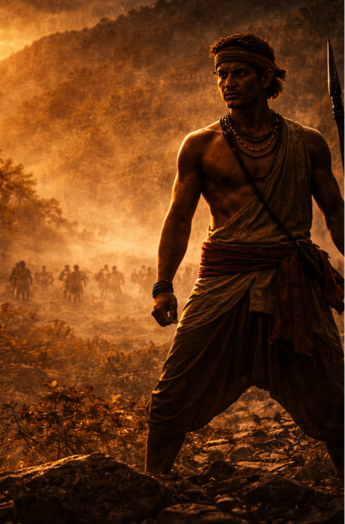
The final confrontation occurred at Jodeghat, where Bheem and his followers were surrounded by armed forces. Outnumbered and heavily outgunned, Bheem chose resistance over escape. The battle was brief but fierce, symbolizing his unwavering commitment to tribal freedom. His martyrdom in 1940 marked the end of his physical struggle, but it transformed him into an enduring symbol of sacrifice, courage, and Adivasi resistance.
Location and Historical Accounts of Komaram Bheem’s Struggle
Explore key locations and documented histories that preserve the memory of Komaram Bheem’s resistance, sacrifice, and enduring legacy within tribal and national narratives.
Historical Records

Jodeghat Hills
Sankepalli

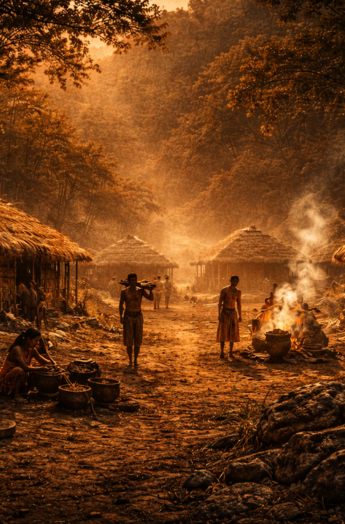
Forest Hideouts
Tributes Paid at the Time: Remembrance, Respect, and Collective Mourning
Tribal Rituals and Mourning
After his martyrdom, Adivasi communities honored Komaram Bheem through traditional rituals, songs, and gatherings expressing grief, respect, and collective remembrance.
Oral Storytelling and Memory
Elders preserved his legacy by narrating stories of courage and sacrifice, passing his ideals to future generations despite official suppression.
Silent Acts of Resistance
Quiet tributes within villages and forests became acts of defiance, keeping Bheem’s spirit alive under oppressive conditions.
What His Sacrifice Meant for the Movement: Turning Loss into Lasting Strength
Komaram Bheem’s sacrifice marked a defining moment for the tribal resistance movement. While his martyrdom in 1940 ended the armed phase of his struggle, it strengthened the emotional and moral foundation of the movement. His death transformed personal leadership into a collective cause, uniting tribal communities through shared grief and determination. The loss of their leader reinforced the belief that the struggle for Jal, Jangal, and Zameen was larger than any individual. Bheem’s sacrifice became a powerful reminder that freedom and dignity demanded courage, even in the face of overwhelming force.
For the movement, Bheem’s martyrdom exposed the brutality and injustice of the Nizam’s regime. It drew attention to the suffering of Adivasi communities and highlighted the legitimacy of their demands. His sacrifice inspired others to continue resisting exploitation through cultural preservation, community solidarity, and later legal and political efforts. Though open rebellion subsided, the spirit of resistance endured. Bheem’s ideals continued to guide tribal leaders, shaping future struggles for rights, recognition, and autonomy.
Over time, Komaram Bheem’s sacrifice became a symbol of hope and resilience. His life and death strengthened the identity of the movement, turning memory into motivation. Each retelling of his story renewed commitment to protecting land, forests, and tribal dignity. The movement evolved, but its foundation remained rooted in his sacrifice. Through remembrance and continued advocacy, Komaram Bheem’s legacy ensured that the fight for justice did not fade but transformed into a lasting force for change.